When it comes to cinematography, composition and framing is important. It is the technique of drawing attention to the subject of your image by blocking other parts of the image with something in the scene. These includes the Rule of Thirds and the Golden Spiral.
There are different shots that are important when it comes to framing your subject. Key shot frame includes:
Extreme Long Shot
This can be taken from as much as a quarter of a mile away, and is generally used as a scene-setting, establishing shot. It normally shows an exterior, e.g. the outside of a building, or a landscape, and is often used to show scenes of thrilling action e.g. in a war film or disaster movie.

Long Shot
Long Shot (sometimes referred to as a full shot or a wide shot) typically shows the entire object or human figure and is usually intended to place it in some relation to its surroundings. Also gives a lot of the same effects of an extreme long shot.
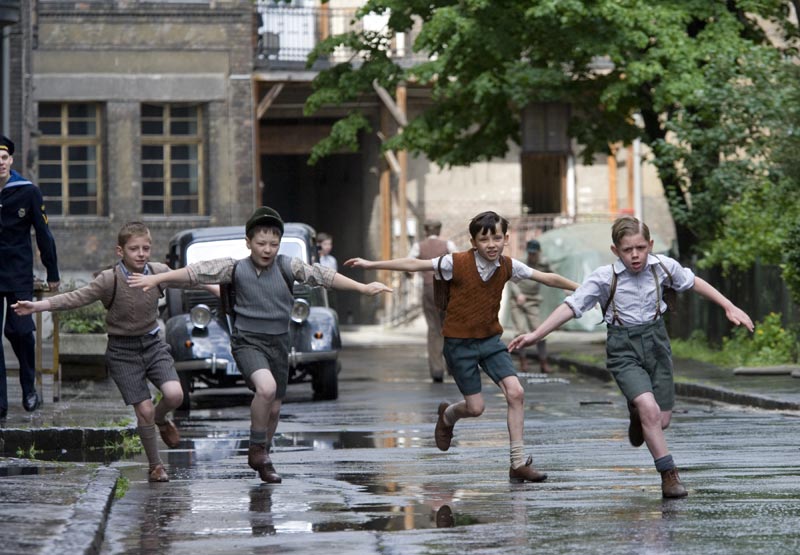
Medium Long Shot
Also known as a three-quarters shot. Frames the whole subject from the knees up.

Medium Shot
Shows some details about the subject and the scene. If the subject was a human for example, we would see the person from about the waist up.

Medium Close Up Shot
Is around half way between a close up and a medium shot. Showing 1/3 of the subject. This shot is useful when trying to convey the emotions of several people at once when a close up would cut a person out of the frame.

Close Up Shot
Often used to show the whole face of the subject. The subject fills the entire frame, excluding some background, due to the aspect ratio. This kind of shot is very important because of how it highlight one characters emotions and can convey this to an audience better than most other kind of shot.
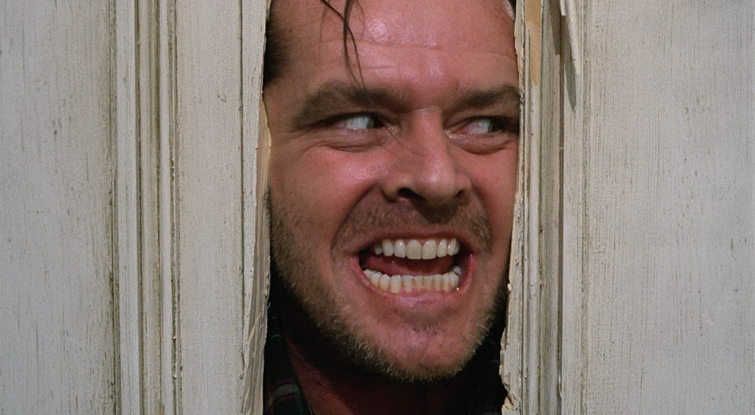
Extreme Close Up
An extremely close view of a specific feature of the subjects face, e.g. the eyes or mouth. This conveys very specific emotions or actions such as pupils dilating or smiling.

_______________________________________________________________________
Rule of Thirds
The rule of thirds is a "rule of thumb" or guideline which applies to the process of composing visual images. How it works is that the image can be split into 9 equally sized parts, divided by two vertical and two horizontal lines. The four lines create four intersections, which should serve as the main points of interest. Proponents of the technique claim that aligning a subject with these points creates more tension, energy and interest in the composition than simply centering the subject.

Golden Spiral (Fibonacci spiral)
Fibonacci discovered that this “golden spiral” appears in several places throughout nature. More importantly, the Fibonacci spiral is pleasing to the human eye. In terms of actual photography, there is not much to worry about the technical explanation. Fibonacci Spirals are useful for nearly every kind of photography, but they’re especially good for landscapes and wide shots. The spiral basically has a way of leading your eye naturally from the focal point outwards.


Good - thank you, Sylvester!
ReplyDelete